
85 - Top Tips: 10 Fly Fishing Hacks
As the old angling saying goes, “Everyone makes mistakes in fly fishing—the key is learning from each one so the river doesn’t teach you the same lesson twice.”
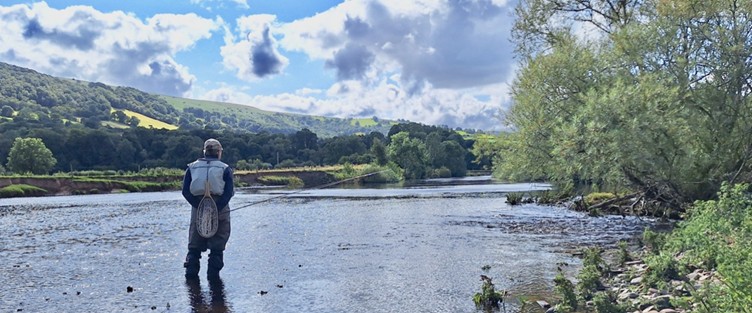
Where to begin…
Whether you’re just getting started with a rod and reel or you’ve spent countless hours pursuing trout on your favourite stretch of water, mistakes are all part of the journey. Yet, it’s not the missteps themselves that matter most, but how you respond to them. Each slip-up is a chance to sharpen your skills, deepen your understanding of the water, and ultimately enjoy more successful days on the water. Even those with plenty of experience can benefit from the occasional tune-up! Here, Fliesonline highlights ten frequent mistakes made by fly anglers and offers straightforward solutions and techniques to help you fish more effectively.
1. Fishing at the Wrong Time
Fish are often more active at dawn or dusk, when light levels are lower and aquatic insects are emerging or hatching. In rivers, trout and grayling tend to feed most aggressively just after sunrise and in the evening, especially during summer hatches. Early morning is an excellent time to swing wet flies or nymphs along riffles and seams, as fish move into shallower water to hunt. During midday, fish may retreat to deeper pools or shaded areas, becoming less active until temperatures cool again. In lakes, predatory fish such as pike and perch often hunt at first light or late evening, using low visibility to ambush prey. Emergers and dry flies are particularly effective during evening rises, when fish are feeding on insects at the surface. Keeping an eye on local hatch charts and weather conditions can help you anticipate peak feeding times and choose the right technique for each session.

Early morning fishing as the sun rises.
By aligning your fishing trips with the open season dates and the natural rhythms of fish activity, you’ll significantly increase your chances of success and enjoy a more rewarding experience on the water.
2. Reading the Conditions
Success in fly fishing often hinges on your ability to adapt to shifting weather and water conditions. Each change in the environment can influence fish behaviour and feeding patterns, so being observant and flexible with your approach gives you a clear advantage on the water.

Taking time to let the water settle and watching for movement.
- Hot Weather
During hot spells, water temperatures rise, and fish—especially trout—tend to become lethargic and seek out cooler, deeper areas. Oxygen levels can drop, making fish less willing to chase fast-moving flies. In these conditions, focus your efforts early in the morning or late in the evening when water is coolest. Use smaller, more natural flies and lighter tippets to avoid spooking wary fish. If fishing during the heat of the day, target shaded stretches, deeper pools, or areas where cold tributaries enter the main river, as fish gather in these cooler refuges.
- Low Water
When rivers run low, fish become extra cautious due to increased visibility and reduced depth. Approach the water with stealth—keep a low profile, wear muted clothing, and avoid sudden movements. Lighter lines and finer tippets help present your fly delicately, reducing the risk of alarming the fish. Shorter casts and careful wading are essential, as fish will often be holding in the few remaining deeper pockets or under overhanging vegetation.
- Rain
Rainfall can transform fishing prospects. A light rain often encourages insect activity, prompting fish to feed more actively near the surface. After heavier rain, rising water levels and increased flow can dislodge food from the riverbed, making nymphs and larger patterns more effective. However, if the water becomes coloured or muddy, switch to flies with a larger profile or those with a bit of flash to help fish locate them. In lakes, rain can cool the surface, drawing fish up from deeper water to feed.
- Cloud Cover
Overcast days generally mean lower light levels, which can embolden fish to roam further from cover and feed more freely throughout the day. With reduced visibility, you can use slightly heavier tippets and larger flies without putting fish on alert. Try covering more water and using searching patterns, as fish are less likely to be tightly confined to structure or deep holes.
- Bright Light
On bright, sunny days, fish are often wary and stick close to cover or the riverbed. The glare and shadows make them more susceptible to predators, so they feed less openly. Use long, fine leaders to keep your line away from the fish, and opt for subtle, natural-coloured flies. Polarised sunglasses help you spot fish and reduce glare. In these conditions, focus on casting into shaded areas, undercut banks, or beneath overhanging trees where fish feel safer.
By observing how weather and water conditions affect fish behaviour and adapting your tactics accordingly, you’ll not only increase your catch rate but also enjoy a more rewarding and engaging fly fishing experience. Always be prepared to change your approach—whether it’s switching flies, altering your presentation, or simply moving to a new spot—to match what the day brings.
3. Using the Wrong Sized Fly
Many anglers use flies that are simply too large or garish for wary fish. Opting for smaller flies can make a substantial difference, especially during periods when fish are feeding selectively or when water clarity is high. Tiny nymphs and micro dry flies are often the key to enticing cautious trout that ignore bigger, flashier offerings. Smaller flies more closely mimic the natural insects present in the water, helping avoid suspicion. In addition, using diminutive patterns allows for a subtler presentation, reducing splash and disturbance upon landing. On heavily fished rivers or chalk streams, downsizing your fly size can lead to more takes and better catch rates. Experiment by dropping from a size 14 to an 18 or even 20 when fish seem reluctant to rise or are visibly ignoring larger imitations.

Insects rising on the River Itchen. Note the clear water.
When matching the hatch, also consider the stage of the insect’s life cycle—fish may be targeting nymphs below the surface, emergers that are just breaking through, or adult insects floating on top. Carry a selection of patterns to cover these possibilities, and switch flies if you notice fish refusing your offering. Pay attention to seasonal changes too: in spring, olive nymphs and early mayflies are common; in summer, expect more sedges and terrestrials; in autumn, try buzzer and midge patterns. Sometimes, fish will key in on specific behaviours, such as insects drifting helplessly or fluttering on the surface, so presenting your fly in a lifelike manner is just as important as its appearance. By observing, adapting, and experimenting, you’ll increase your chances of picking the right fishing fly and turning a quiet day into a memorable one.

Mayflies have hatched.
4. Ignoring Watercraft
Many anglers cast blindly rather than reading the water. Developing strong watercraft skills is essential for consistent success. Watercraft is more than just recognising obvious fish-holding spots; it’s about interpreting subtle changes in flow, understanding how weather and temperature affect fish location, and anticipating where fish are likely to be based on the season and time of day.

Casting under trees to get at fish spotted hiding in the shadows. Catapult shots.
Take time to observe the river or lake, noting how fish react to different conditions and how insects behave at the surface or beneath it. Patience and observation pay dividends, as moving too quickly or ignoring environmental cues often results in missed opportunities. As the legendary British angler Frank Sawyer wisely said, “To be a good fisherman you must learn to read the water and the fish as well as the books." By truly connecting with the water, you’ll not only catch more fish but also deepen your appreciation for the sport.
5. Poor Knot Tying
Knot tying is a fundamental skill in fly fishing, yet it’s often overlooked. Mastering a handful of reliable knots ensures your rig stays secure and your presentation remains natural. Below are some of the most commonly used fly fishing knots, along with their key advantages and best applications:
- Improved Clinch Knot: This is one of the most popular knots for tying a fly to your tippet. It’s simple, quick, and strong, making it ideal for both beginners and seasoned anglers. The improved clinch knot works well with most types of flies and is especially dependable when using monofilament leaders.
- Loop Knot (Non-Slip Loop Knot): Perfect for situations where you want your fly to move freely and naturally in the water, such as with streamers or wet flies. The loop knot creates a small loop at the end of the line, allowing for better movement and a more lifelike presentation.
- Surgeon’s Knot: Commonly used to join two lines of different diameters, such as connecting your leader to your tippet. The surgeon’s knot is quick and easy to tie, even with cold or wet hands, and provides excellent strength.
- Blood Knot: Another knot for joining two pieces of line, the blood knot is a favourite for building tapered leaders. It’s slightly more difficult to tie than the surgeon’s knot but is very streamlined and strong, making it ideal for fly fishers who want smooth, reliable connections.
- Davy Knot: This knot is exceptionally small and fast to tie, making it a great choice when fishing tiny flies on fine tippets. The davy knot maintains high strength despite its minimal profile, which is perfect for delicate presentations.
Choosing the right knot for the situation not only prevents break-offs but also helps ensure your fly behaves as intended. Practise these knots at home until you can tie them confidently on the water. Remember, a well-tied knot is the link between you and your next great catch.
6. Scaring the Fish
Trout and other species are easily spooked, especially in clear waters. Clumsy wading, noisy splashing, or casting shadows can drive fish away in an instant. To avoid alarming fish, approach the water with care—move slowly and deliberately, keeping your footsteps as quiet as possible. Before entering the river or lake, pause and observe from a distance to spot any feeding fish and plan your route so you don’t disturb them.

Clear water – if you can see them, quite likely they can see you.
Loud movements, such as snapping twigs or splashing through the shallows, can send vibrations and ripples across the water, alerting fish to your presence. Instead, tread lightly, and if you need to reposition, do so gradually. Keep all equipment secure to prevent accidental bangs or clatters. When wading, slide your feet rather than lifting them, to minimise disturbance.
Silhouetting is a common mistake—standing tall on the bank or against the skyline makes you highly visible to fish. To avoid this, stay low, crouch if necessary, and use vegetation or natural features for cover. Wear muted, natural-coloured clothing that blends into your surroundings, reducing your profile against the water.
7. Making Too Many False Casts
It’s tempting to keep your line airborne with endless false casts, but most situations only require one or two. Excessive false casting spooks fish and wastes energy. Instead, work on your single haul and double haul techniques to load the rod efficiently and deliver the fly accurately with fewer false casts. Practise keeping your back cast high and smooth. When it comes to casting, smooth and controlled movements are crucial. Avoid false casting directly over fish, as the motion and shadow can spook them. Present your fly gently, allowing it to land softly on the water.

Casting out in Stillwater to fish on the surface with an aimed cast.
For tricky or wary fish, sidearm casts or roll casts can help keep your line low and reduce disturbance. The presentation of your fly should mimic the natural drift of insects—ensure your leader is straight and your fly floats or sinks as intended for the technique you are using.
8. Using the Wrong Leader and Tippet Materials
The wrong leader or tippet can make your fly move unnaturally or even snap under pressure. The choice of leader is vital for stealthy presentations. For dry fly fishing, opt for a long, fine-tipped leader to help your fly land lightly and drift naturally. For nymphing, fluorocarbon leaders are a good choice as they sink quickly and are less visible underwater. Tapered leaders are ideal because they help turn the fly over smoothly and prevent splashy landings. If fishing in particularly clear or pressured waters, consider using an even longer leader to further distance your fly from the splash and shadow of your fly line.
9. Neglecting the Retrieve
The way you retrieve your line can bring your fly to life or make it look unnatural. Experiment with techniques such as the figure-of-eight retrieve for buzzers or slow, steady strips for streamers. Adapting your retrieve to the water type and the behaviour of natural prey can make all the difference.
In stillwaters, a slow figure-of-eight retrieve is excellent for imitating the gentle movement of nymphs or emerging buzzers, presenting a lifelike and tempting target for trout. Quick, erratic strips, on the other hand, can mimic a distressed baitfish, often provoking aggressive takes from predatory fish.
On rivers, the current does much of the work, so a natural dead-drift or subtle hand-twist retrieve can replicate the downstream movement of insects or shrimps. Occasionally twitching the fly adds a burst of realism, mimicking an insect attempting to escape the current. Such retrieves can trigger instinctive strikes from fish holding in fast water.
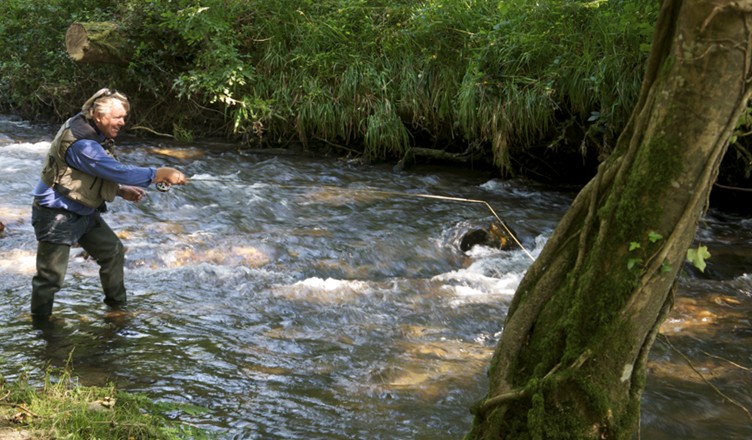
Letting the line travel with the water on river.
Matching your retrieve to the conditions and local food sources increases your chances of success. Observing how insects and small fish behave in the water and then copying those movements with your fly can be the key to unlocking the bite, whether you are casting into a tranquil lake or a tumbling stream.
10. Forgetting to Enjoy It!
Fly fishing is as much about enjoying the outdoors as it is about catching fish. Where you can take time to understand the water, work on your skills and techniques and make sure to enjoy your fishing session however infuriating they may turn out to be. Time on the water is time well spent and the water will wash away your mistakes ready for another day.